Dryer Not Heating? Here’s How to Fix It
If your dryer turns on and the drum tumbles but your clothes still come out damp, the most likely issue is in the heating system. A dryer that is not heating is one of the most common laundry appliance problems, and in many cases the fix is much more affordable than replacing the whole machine.
Most no-heat dryer problems come from a failed heating element, blown thermal fuse, faulty thermostat, or restricted airflow. Before shopping for a new dryer, it is worth checking the most common parts and comparing compatible replacements in your dryer parts categories.
Why a Dryer Runs but Does Not Heat
A dryer needs both airflow and heat to work properly. If the drum turns but the air never gets hot, one or more heat-related components may have failed. In electric dryers, the heating element is the most common cause. In both gas and electric models, safety parts and airflow problems can also stop proper heating.
1. Failed Heating Element
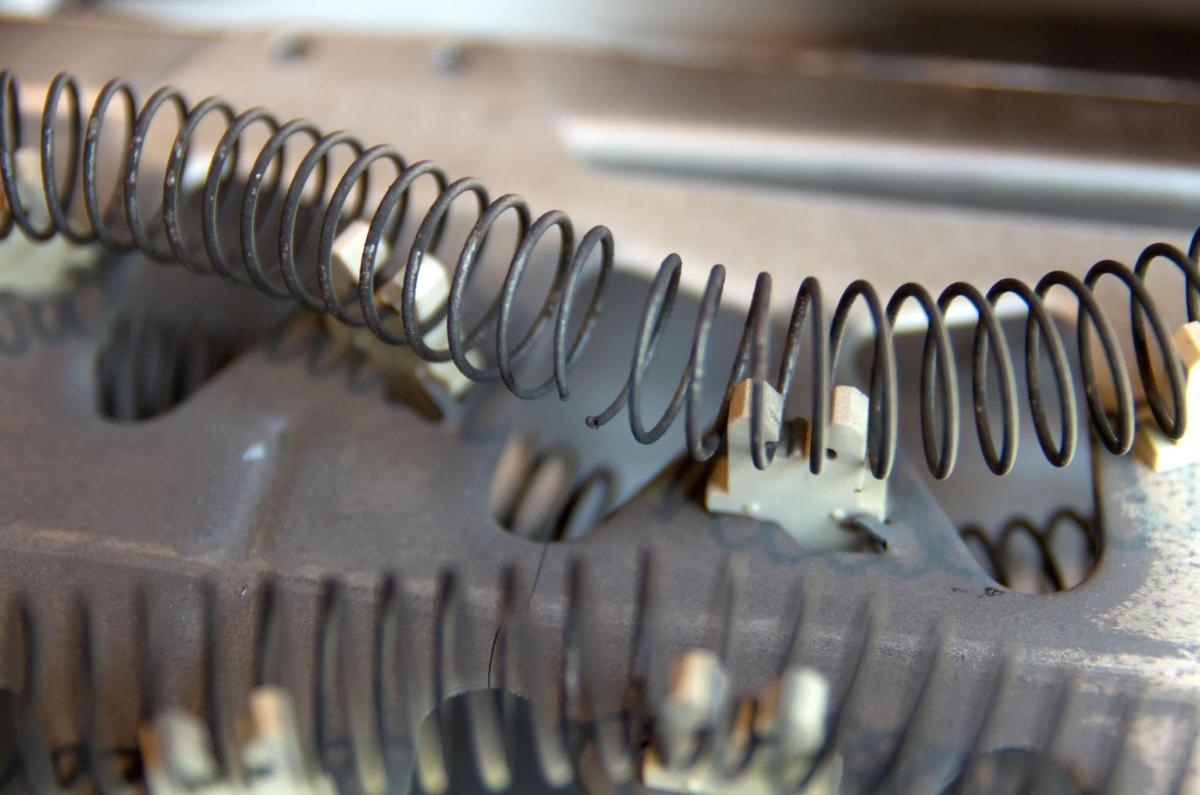
The heating element generates the heat that dries your clothes. Over time, the internal coil can burn out or weaken. When this happens, the dryer may still look like it is running normally, but it will not get hot enough to dry clothing.
If you suspect the heater is the issue, compare compatible dryer heating elements for your model.
2. Blown Thermal Fuse
The thermal fuse is a safety device designed to protect the dryer from overheating. If airflow becomes restricted or internal temperature rises too high, the fuse can blow. Some dryers will stop heating only, while others may stop running entirely.
You may also want to read our related guide on dryer thermal fuse symptoms and replacement.
3. Faulty Thermostat
The thermostat helps regulate temperature during the dry cycle. If it fails, the dryer may not heat correctly, may overheat, or may shut the heat off too early. That leads to long dry times and inconsistent performance.
4. Blocked Dryer Vent
A clogged vent is one of the most overlooked causes of heat-related dryer issues. If hot air cannot move out of the machine efficiently, the dryer may overheat, blow a safety fuse, or dry very slowly even when some heat is present.
If your dryer takes multiple cycles to finish a load, read Dryer Takes Too Long to Dry Clothes.
Signs the Dryer Heating System Is Failing
- Dryer tumbles but produces no heat
- Clothes remain damp after a full cycle
- Drying times are suddenly much longer
- The dryer shuts off early or inconsistently
How to Troubleshoot a Dryer with No Heat
- Check whether the drum turns normally.
- Inspect the lint filter and vent for blockages.
- Look for signs of overheating or burned smell.
- Test the heating element and fuse if accessible.
If the dryer is also making noise, visit Dryer Making Loud Noise? Here’s the Fix. If the drum is not turning, see How to Replace a Dryer Belt.
Shop by Dryer Brand
Heat-related repairs vary by model, so it helps to start with your brand page: Samsung, Whirlpool, LG, GE, Maytag, Kenmore
Related Parts and Internal Links
Related parts: Heating Elements, Belts, Rollers, Motors
Related articles: Dryer Thermal Fuse: Symptoms and Replacement, Dryer Takes Too Long to Dry Clothes, Best Replacement Dryer Heating Elements
Final Thoughts
A dryer that is not heating does not always mean expensive repair. In many cases, the fix is a replacement heating element, thermal fuse, or thermostat, especially when airflow problems are corrected at the same time. Catching the problem early can restore drying performance quickly and help prevent bigger damage later.
FAQ
Why is my dryer running but not heating?
The most common causes are a failed heating element, blown thermal fuse, bad thermostat, or restricted airflow.
Can a clogged vent make my dryer stop heating?
Yes. Poor airflow can cause overheating and trigger safety parts that interrupt heating.
Is it worth repairing a dryer with no heat?
In many cases, yes. The most common repairs are usually much cheaper than replacing the dryer.
How do I know if the heating element is bad?
If the dryer tumbles normally but never gets hot, the heating element is one of the first parts to inspect or test.
