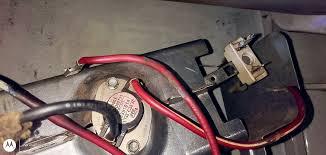
Dryer Thermal Fuse: Symptoms and Replacement
A dryer thermal fuse is a small but important safety part that helps prevent overheating. When the fuse blows, the dryer may stop heating, stop running, or behave unpredictably depending on the model. Because the thermal fuse is designed as a one-time safety component, it usually must be replaced once it fails.
If your dryer suddenly stopped heating or stopped working after airflow problems, the thermal fuse is one of the first parts to inspect. You can compare compatible dryer heating parts and related replacement components in your parts categories.
What Does a Dryer Thermal Fuse Do?
The thermal fuse protects the dryer from dangerous overheating. If internal temperatures rise too high, the fuse blows and cuts power to part of the dryer’s system. In some dryers, this stops the heat only. In others, it can stop the dryer from running altogether.
Common Symptoms of a Blown Thermal Fuse
- Dryer runs but produces no heat
- Dryer will not start
- Dryer shuts off unexpectedly
- Clothes remain wet after a full cycle
If your dryer also takes too long to dry, read our related guide on dryer takes too long to dry clothes.
What Causes a Dryer Thermal Fuse to Blow?
1. Blocked Dryer Vent
The most common cause is restricted airflow. A clogged vent prevents hot air from escaping, causing internal temperatures to rise too high.
2. Dirty Lint Screen
A lint screen packed with debris can reduce airflow and contribute to overheating.
3. Failing Thermostat
If the thermostat does not regulate temperature correctly, the dryer can overheat and blow the fuse. Compare compatible dryer heating components and temperature-related parts if needed.
4. Overheating Heating Element
A failing heating component may create uneven or excessive heat, especially in older electric dryers.
How to Replace a Dryer Thermal Fuse
- Unplug the dryer from power.
- Open the access panel or rear panel based on your model.
- Locate the thermal fuse near the blower housing or heating assembly.
- Disconnect the wires carefully.
- Remove the old fuse and install the new one.
- Reassemble the dryer and test it.
Before replacing the fuse, it is smart to inspect airflow and clean the full vent system. Otherwise, the new fuse may blow again.
Brand-Specific Thermal Fuse Repairs
Part locations vary by model, so match the fuse carefully for your brand. Start with Samsung dryer parts, Whirlpool dryer parts, LG dryer parts, GE dryer parts, Maytag dryer parts, or Kenmore dryer parts.
Related Parts and Guides
Related parts: Heating Elements, Rollers, Belts, Motors
Related articles: Dryer Not Heating? Here’s How to Fix It, Dryer Takes Too Long to Dry Clothes
Final Thoughts
A blown dryer thermal fuse is often a symptom of a larger airflow or overheating problem. Replacing the fuse may restore operation, but cleaning the vent and checking related temperature-control parts is just as important for long-term reliability.
FAQ
What happens when a dryer thermal fuse blows?
The dryer may stop heating or stop running entirely, depending on the model.
Can I reset a dryer thermal fuse?
No. Most dryer thermal fuses are one-time-use parts and must be replaced once they blow.
Why did my new thermal fuse blow again?
This usually means the underlying overheating problem was not fixed, often because of a clogged vent or airflow restriction.
Is a thermal fuse the same as a thermostat?
No. A thermostat regulates temperature, while the thermal fuse is a safety backup that opens if temperatures get too high.
