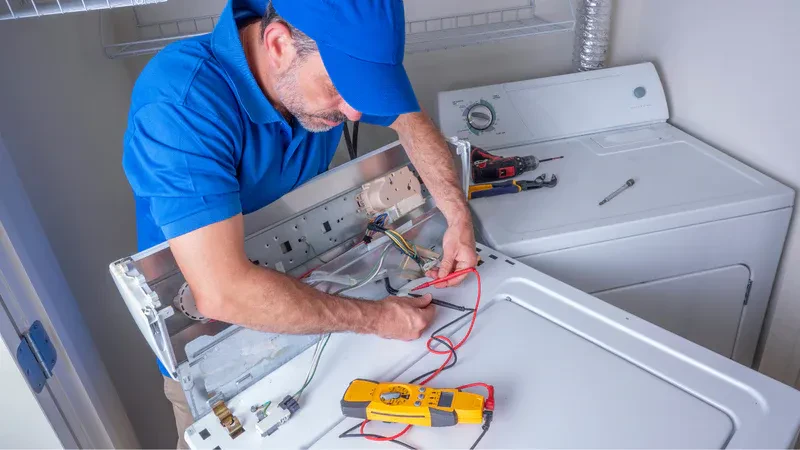
Washer Leaking From Bottom: Causes and Fixes
A washer leaking from the bottom is one of the most frustrating laundry room problems because even a small leak can damage flooring, walls, and nearby cabinets. The good news is that many washer leaks are caused by a few common parts that are relatively affordable to inspect and replace.
If your washing machine is leaking during the wash cycle, rinse cycle, or spin cycle, the issue is often related to a worn hose, a cracked pump housing, a damaged door seal, or loose internal connections. Before replacing the entire appliance, it is worth checking the most common leak points and comparing replacement options in your washer parts categories.
What Causes a Washer to Leak From the Bottom?
Most washing machine leaks come from one of four areas: water supply hoses, drain hoses, the drain pump, or the door seal on front-load units. In some cases, an overfilled tub or damaged internal tub components can also allow water to escape and pool under the machine.
1. Damaged or Loose Water Hoses
Supply hoses can crack, split, or loosen over time. If the leak appears while the washer is filling, start by inspecting the hot and cold water lines connected to the back of the machine. Even a small drip can collect underneath the appliance and make it look like the leak is coming from the bottom panel.
You can browse compatible washer hoses if your current hose shows wear, bulging, or corrosion around the fittings.
2. Faulty Drain Pump
The drain pump is one of the most common causes of a washer leak from underneath. If the housing cracks or the seals wear out, water may escape during drain and spin cycles. In many washers, the pump is mounted low in the cabinet, which is why leaks often appear directly under the appliance.
If your machine also struggles to drain, compare replacement washer drain pumps for your model.
3. Worn Door Seal or Boot
Front-load washers use a rubber door boot to keep water inside the drum. Over time, this flexible seal can tear, trap debris, or develop mold-related wear. If the door seal is damaged, water may drip down the front of the machine and collect on the floor beneath it.
Check your available washer door parts if you notice cracks, tears, or persistent leaking around the door opening.
4. Clogged or Damaged Drain Hose
A blocked drain hose can force water back into the machine and create leaks during draining. Kinks, pinholes, or poor connections at the hose clamp can also allow water to escape. This is especially common in older machines or recently moved appliances.
How to Troubleshoot a Leaking Washer
Before ordering any replacement parts, unplug the washer and dry the floor completely. Then run a short fill or rinse cycle while carefully watching where the water first appears. Identifying whether the leak begins during fill, wash, drain, or spin makes diagnosis much easier.
- If the leak starts during fill, inspect the supply hoses.
- If the leak starts during drain, inspect the pump and drain hose.
- If the leak starts near the door, inspect the door seal.
- If the leak appears only during spin, check tub movement and lower internal components.
Should You Repair or Replace the Washer?
In many cases, repairing a leaking washer is much more affordable than replacing it. Hoses, pumps, and door seals are often inexpensive compared with the cost of a new machine. If you own a major brand like Samsung, Whirlpool, LG, GE, Maytag, or Kenmore, replacement parts are usually easy to find.
You may also want to read our related guide on washer not draining and drain pump replacement if your leak is paired with draining issues.
Final Thoughts
A washer leaking from the bottom does not always mean the appliance is at the end of its life. In many homes, the problem comes down to a worn hose, a damaged pump, or a seal that needs replacement. Catching the problem early can prevent larger repairs and water damage.
FAQ
Why is my washer leaking from underneath?
The most common causes are a damaged drain pump, loose water hose, worn drain hose, or a failing door seal.
Is it safe to use a leaking washer?
No. Continued use can worsen the leak and cause water damage or electrical risk.
How much does it cost to fix a leaking washer?
Many common washer leak repairs are relatively affordable because hoses, pumps, and seals are usually much cheaper than replacing the appliance.
Can I replace a washer hose or pump myself?
Many homeowners can replace these parts with basic tools, as long as the machine is unplugged and the water supply is turned off first.
