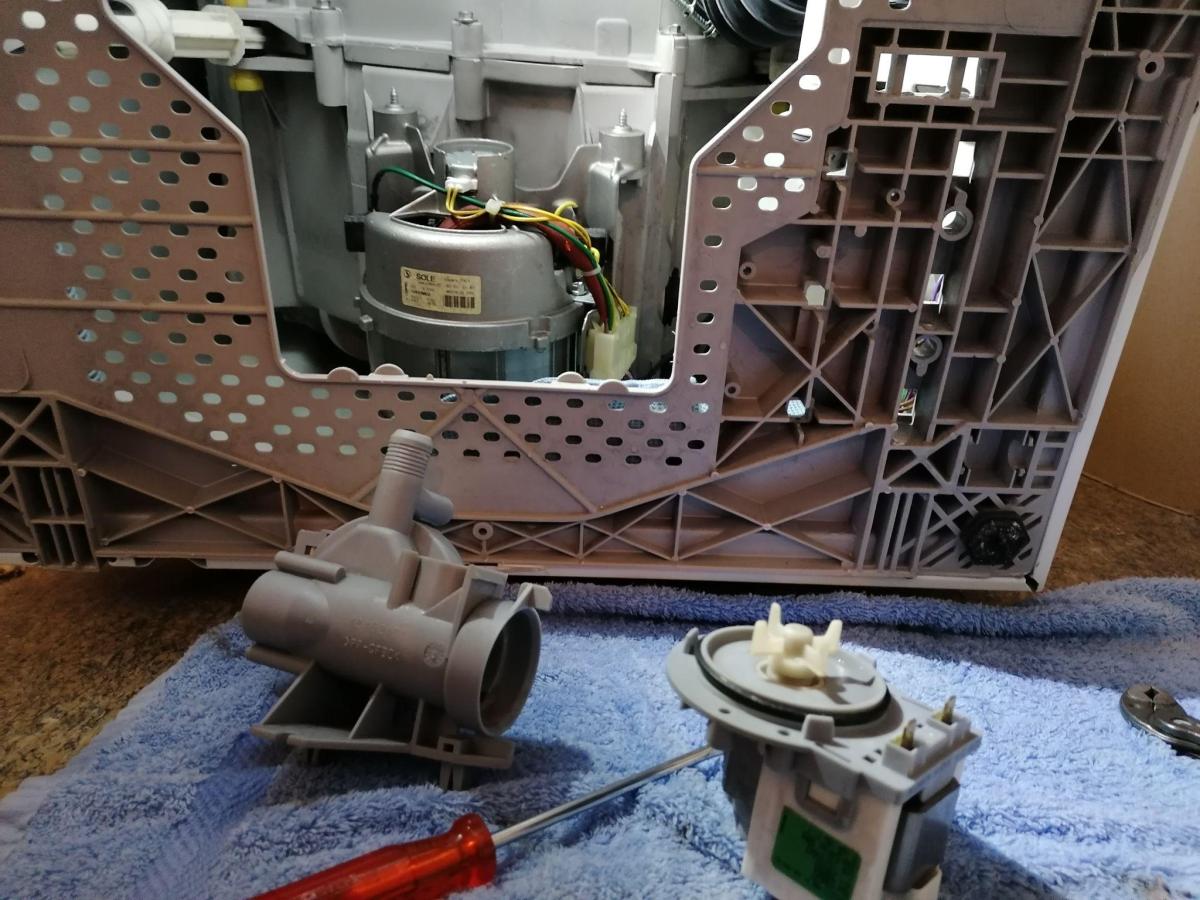
Washer Not Draining? Drain Pump Replacement Guide
If your washer finishes a cycle but leaves water sitting in the drum, the machine likely has a draining problem. One of the most common causes is a failed or blocked drain pump. Since the pump is responsible for pushing used water out of the washer, even a small issue can prevent the machine from draining correctly.
The good news is that drain pump repairs are often much more affordable than replacing the appliance. If your washer is full of water after a cycle, start by reviewing your washer drain pumps and checking the full drain path.
What the Drain Pump Does
The drain pump removes water from the washer tub during the drain and spin cycles. If the pump becomes clogged, jammed, or worn out, the washer may stop with water still inside, drain very slowly, or make unusual grinding or humming sounds.
Signs Your Washer Drain Pump May Be Failing
- Water remains in the tub after the cycle ends
- The washer makes a humming or grinding noise while draining
- The machine stops before the spin cycle finishes
- The washer displays drain-related error codes
Common Causes of Draining Problems
1. Clogged Pump Filter
Coins, lint, fabric pieces, and other debris can block the filter or impeller area. This is one of the easiest drainage problems to check first.
2. Worn or Failed Drain Pump
Over time, the pump motor can wear out or the impeller can become damaged. When that happens, the washer may try to drain but fail to move water effectively.
3. Kinked or Blocked Drain Hose
A clogged hose or a tight bend behind the washer can stop water from flowing out. Before replacing the pump, inspect your washer hoses and drain line for obstructions.
4. Control or Cycle Issues
In some cases, the pump itself is fine, but the washer does not send the drain command properly. If your washer has multiple strange symptoms, it may also be worth reviewing washer control boards.
How to Replace a Washer Drain Pump
- Unplug the washer and turn off the water supply.
- Drain any standing water safely.
- Open the lower access panel or rear panel depending on the model.
- Disconnect the hoses and wiring from the old pump.
- Install the replacement pump securely.
- Reconnect hoses, reassemble the washer, and test it.
If your machine is also leaking underneath, read Washer Leaking From Bottom: Causes and Fixes.
Brand-Specific Washer Pump Matching
Drain pump fit varies by model, so start with your brand page: Samsung, Whirlpool, LG, GE, Maytag, Kenmore
Related Parts and Internal Links
Related parts: Drain Pumps, Hoses, Door Parts, Control Boards
Related articles: How to Replace a Washer Drain Hose, LG Washer Not Draining, Washer Won’t Spin: Quick Fix Guide
Final Thoughts
A washer that will not drain is one of the most common appliance repair issues, and the drain pump is often the first part to check. With the right replacement part and a quick inspection of the hose and filter path, many washers can be restored to normal operation without the cost of full appliance replacement.
FAQ
Why is my washer full of water after the cycle?
The most common causes are a clogged drain filter, blocked hose, or failing drain pump.
Can a bad drain pump stop the spin cycle?
Yes. Many washers will not enter full spin until water has drained properly.
Is replacing a washer drain pump difficult?
It depends on the model, but many drain pump replacements are manageable with basic tools and careful hose reconnection.
Should I check the hose before replacing the pump?
Yes. A kinked or blocked hose can cause similar symptoms and should be ruled out first.
